
Microbiological Compost
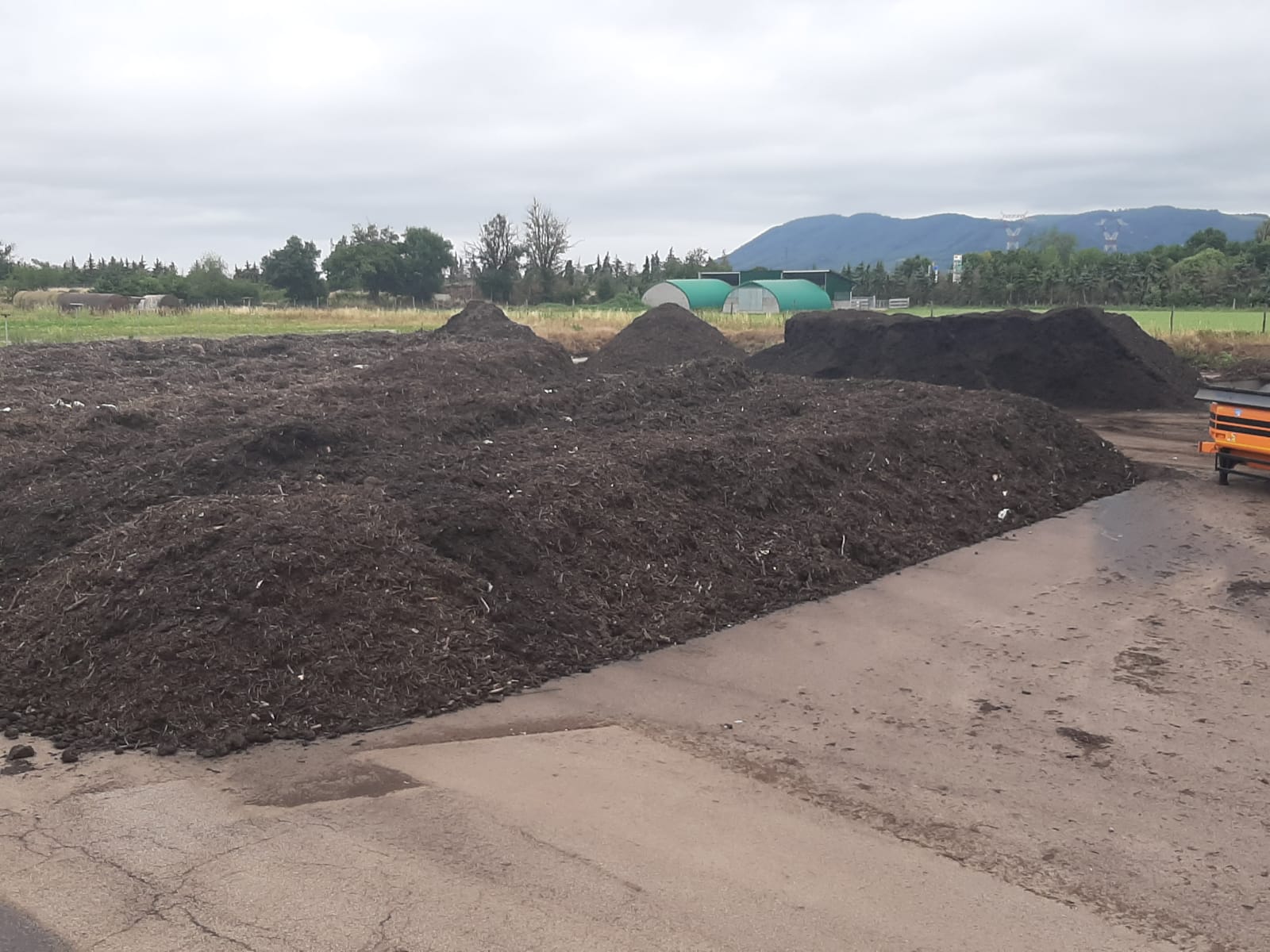
Microbiological compost boosts biological activity of organic matter, is Rich in beneficial microorganisms that help improve soil structure and fertility, suppress pathogens and optimize plant nutrition. It acts as an organic soil amendment and biostimulant, retaining more water, providing gradual nourishment, and reducing dependence on chemical fertilizers.
Once compost is incorporated, microbiology continues to act and improves crop yields, mobilizing many of the abundant (insoluble) minerals accumulated and blocked in soils as well as having a stimulating effect on plant root growth.
Key advantages of microbiological compost
Soil Health and Nutrients
- Improves structure, aeration, and water-holding capacity, acting like a sponge and promoting root development. Increases organic matter and activates soil microbiology.
- Microbiological organic fertilizer favors the proliferation of beneficial bacteria and fungi for the soil and helps the use of nutrients.
- Counteracts the effects of excessive use of synthetic chemical fertilizers, preventing soil degradation and desertification.
- It rebalances soils, keeps them free of pathogens, improves aeration, prevents compaction and improves the root development of trees.
Plant nutrition
- Releases nutrients slowly, including micronutrients, and facilitates the absorption of insoluble minerals locked in the soil, making them available for plant uptake, improving crop yields.
- Promotes the presence of microorganisms that are beneficial for plant nutrition.
- Microbiological organic fertilizers improve soil structure, enable carbon sequestration, and enhance the crop’s ability to retain nutrients and water.
- Increase crop production and improve drought stress tolerance.

Disease suppression
Its high biological load acts as a natural barrier against soil pathogens, reducing the need for chemical pesticides.
- Provides biological diversity.
- Rebalances local flora and, through environmental dominance, also avoids the use of fungicides.

Sustainability:
Promotes a closed nutrient cycle, ideal for organic farming by providing humus rich in enzymes and hormones.
- Microbiological organic fertilizers do not contaminate groundwater.
- They make it possible to restore soils that have become infertile over time, as well as soils contaminated by chemicals and pathogenic fungi.
This type of compost turns inert or degraded soils into living, spongy, productive ecosystems, increasing drought resilience and reducing erosion.

Find your microbiological solution!